
Residential Land Survey Tips for Older Properties
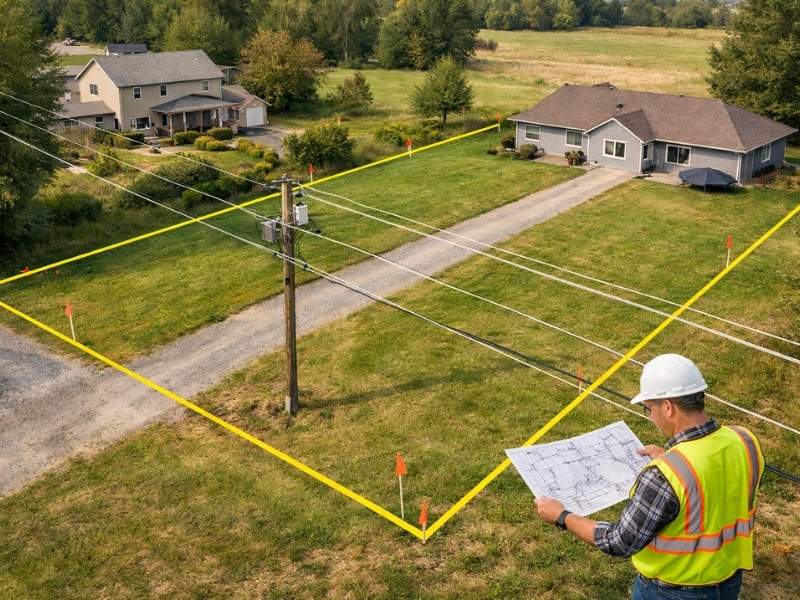
Older properties come with history. They also come with surprises.
A residential land survey can uncover problems that stayed hidden for years. Developers often run into lot line issues, missing markers, old additions, fence conflicts, or structures built too close to setbacks. These problems slow projects down and raise costs fast.
Many older neighborhoods were built before modern mapping tools existed. Some lots were divided decades ago using outdated records. Others changed hands many times without updated surveys. That creates risk during planning, permitting, or redevelopment.
This article covers practical residential land survey tips for older properties and explains what developers should check before moving forward with a project.
Why Older Properties Need Extra Survey Attention
Newer subdivisions usually follow updated plats and recorded layouts. Older properties are different.
Lot corners may no longer match county records. Fences drift over time. Driveways cross property lines. Sheds and garages get built without permits.
Some homes were expanded years ago without proper setbacks. Others sit on parcels with vague legal descriptions that create confusion during title review.
A residential land survey helps spot these issues before money gets tied into design work or construction plans.
Check the Age of the Existing Survey
Do not rely on an old survey automatically.
Some surveys are decades old. Property conditions change over time. Trees disappear. Fences move. Utility lines get added. Roads widen.
Ask for the most recent survey available, then compare it with the current property condition.
Watch for these warning signs:
- Missing survey stamps
- Faded or unreadable measurements
- Structures not shown on the drawing
- Legal descriptions that do not match county records
- Notes referencing old monuments that no longer exist
Older surveys still provide useful information, but many need updates.
Review Fence Lines Carefully
Fence lines cause constant trouble on older properties.
Many owners assume the fence marks the true property line. That assumption creates lawsuits every year.
Some fences were installed based on guesswork. Others followed landscaping instead of legal boundaries.
Developers should never design around a fence until the property corners are verified.
Common Fence Problems Found on Older Lots
Encroaching Fences
A fence may extend onto a neighboring parcel. That creates issues during redevelopment or resale.
Moved Fence Corners
Property owners sometimes shift fence lines during repairs without realizing it.
Shared Fence Conflicts
Neighbors may disagree about ownership, maintenance, or placement.
A survey for fence planning helps avoid these disputes before construction starts.
Watch for Old Additions and Detached Structures
Older homes often include additions built years after the original structure.
Some were permitted correctly. Others were not.
Surveyors frequently find:
- Carports built over setbacks
- Detached garages crossing easements
- Patio slabs near property lines
- Room additions extending into restricted areas
- Pool decks built too close to neighboring lots
Developers should compare the survey with permit records before planning upgrades or redevelopment. In many cases, a property encroachment inspection reveals additions or structures extending beyond legal lot lines.
Ignoring these issues creates permit delays later.
Pay Attention to Easements
Easements limit how land can be used.
Older properties may contain utility easements, drainage easements, alley access routes, or shared drive agreements. Some owners forget they exist because they are rarely visible on-site.
That becomes a problem when redevelopment starts.
Areas Developers Should Double Check
Utility Easements
Power, sewer, water, and communication lines often run through rear or side portions of the lot.
Drainage Easements
Low areas may carry stormwater during heavy rain. Building there can create violations.
Shared Access Easements
Some older parcels depend on neighboring driveways or alley access.
A residential land survey helps identify these restrictions early.
Verify Lot Dimensions Before Design Work
Do not assume county map dimensions are exact.
Older parcels sometimes contain inconsistencies between recorded plats and field measurements.
Even small errors affect:
- Parking layouts
- Building setbacks
- Density calculations
- Drive aisle spacing
- Utility placement
Developers should confirm dimensions before architects complete design work.
Fixing plans after permit review wastes time and money.
Check for Missing Property Markers
Many older properties lost their original markers years ago.
Construction activity, landscaping, erosion, and utility work often disturb corner monuments.
Surveyors may need extra field research to re-establish boundaries correctly.
That process can involve:
- Reviewing neighboring deeds
- Comparing subdivision plats
- Checking county archives
- Recovering buried monuments
- Performing field measurements across several parcels
Complex older lots usually take longer to survey than modern subdivisions.
Look Closely at Drainage Patterns
Drainage issues appear often on aging properties.
Years of grading changes can redirect runoff into neighboring lots or streets. Old retaining walls, filled areas, and surface repairs also affect water movement.
Developers should review:
- Low points near structures
- Standing water areas
- Old drainage ditches
- Retaining walls
- Surface slope changes
Drainage problems become expensive after construction starts.
Understand Local Setback Rules
Many older homes were built under older zoning rules.
Current setbacks may differ from original requirements. A structure that was legal decades ago may now sit inside a restricted area under updated codes.
Developers planning additions or redevelopment should verify:
- Front setbacks
- Side setbacks
- Rear setbacks
- Height limits
- Lot coverage limits
A residential land survey provides accurate measurements needed during zoning review.
Order the Survey Early
Waiting too long creates problems.
Some developers delay the survey until permit preparation begins. That approach often backfires.
Boundary issues discovered late can stop a project immediately.
Ordering the survey early helps with:
- Site planning
- Design decisions
- Budget estimates
- Title review
- Permit preparation
- Utility coordination
Older properties usually contain more unknowns than newer lots. Early field work reduces risk.
Work With Surveyors Familiar With Older Neighborhoods
Older areas require more research and field experience.
Historic subdivisions often contain irregular lots, overlapping records, or outdated plats. Developers benefit from working with surveyors who understand how these neighborhoods were originally divided.
That local experience matters during boundary recovery and legal review.
Why Early Survey Work Saves Developers Time and Money
Older properties create opportunity for developers, but they also create risk.
Boundary confusion, aging records, missing markers, fence disputes, and unrecorded improvements appear more often than most buyers expect.
A residential land survey gives developers a clearer picture before design, permitting, or construction begins. It helps uncover problems early while solutions are still manageable.
Skipping that step can turn a profitable project into a long and expensive headache.
Frequently Asked Questions
How old is too old for a residential land survey?
Many lenders, title companies, and developers prefer updated surveys if major site changes occurred or if the existing survey is several years old.
Can a fence replace a residential land survey?
No. Fence placement does not confirm the legal property boundary.
Why do older properties create more survey issues?
Older lots often contain outdated records, moved markers, additions, and historical boundary changes.
Do developers need a survey before buying property?
Yes. Surveys help identify setbacks, easements, encroachments, and lot dimension problems before closing.
Can a survey uncover permit problems?
Yes. Surveyors often identify structures or additions that may not comply with current setback or zoning rules.
For a free land surveying quote, call us at (727) 295-4195 or send us a message by going here.
Posted in land surveying, land surveyor |