
Survey for Fence Projects Near Pools and Setbacks
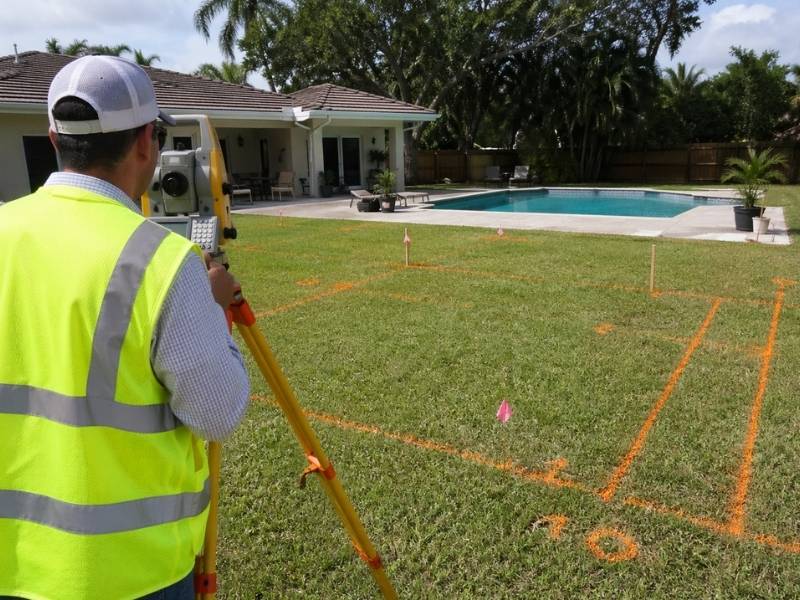
Fence projects can turn into expensive problems fast.
A survey for fence planning helps developers avoid boundary mistakes, setback violations, and pool code issues before construction starts. Many fence problems happen because people trust old fences, rough measurements, or verbal property claims.
That approach causes delays.
Pool projects create even more risk because safety rules and setback limits are stricter. A fence placed in the wrong spot may need to be removed later.
This article explains why survey work matters before fence installation near pools and setback areas.
Why Fence Placement Causes Problems
Many developers assume the existing fence shows the real property line.
That is often wrong.
Older fences move over time. Some were installed without measurements. Others follow landscaping instead of legal boundaries.
A survey for fence projects helps confirm:
- Property lines
- Pool fence placement
- Setback distances
- Utility easements
- Drainage areas
- Shared property lines
Fixing fence mistakes after installation costs far more than checking the lot first.
Pools Create More Fence Restrictions
Pool fences follow stricter rules than regular yard fences.
Most areas require fences around pools for safety. Fence height and gate placement also matter.
Developers should not assume an old fence meets current code.
Common Pool Fence Problems
Fence Inside a Utility Easement
Underground utility lines often run near rear or side property lines. Fence posts placed there can create violations.
Fence Too Close to the Property Line
Some developers push fences outward to gain yard space. That can lead to encroachment disputes.
Pool Gates in Restricted Areas
Gate swing space and access points may also affect setback compliance.
A survey for fence planning helps identify these issues early.
Older Lots Create Boundary Confusion
Older properties often contain unclear lot lines.
Some corner markers disappear over time. Others no longer match recorded plats. Driveways, sheds, and landscaping changes also create confusion.
Fence installers should never guess where the line sits.
Signs the Property Needs Survey Work
- Missing property markers
- Crooked fence lines
- Shared driveways
- Neighbor disagreements
- Old plats with limited detail
- Structures close to lot edges
Developers working on older homes should verify boundaries before starting construction.
Setback Rules Affect Fence Design
A fence can still violate setbacks even when it stays inside the property line.
Many developers miss that detail.
Local zoning rules may control:
- Fence height
- Distance from sidewalks
- Pool enclosure spacing
- Corner visibility
- Rear access paths
Ignoring setback rules can stop a project during permit review.
Corner Lots Need Extra Care
Corner lots often have visibility restrictions near streets and driveways.
Fence height may be limited in those areas for traffic safety.
Surveyors help identify restricted zones before installation starts.
Drainage Areas Can Limit Fence Placement
Water flow matters during fence planning.
Drainage easements and swales often sit near rear or side lot lines. Blocking those areas can create flooding problems.
Developers should inspect:
- Drainage ditches
- Swales
- Retention areas
- Stormwater channels
- Low sections of the yard
Fence placement should not block stormwater flow.
Order Survey Work Before Permit Submission
Waiting too long creates problems.
Some developers wait until permit review starts before checking the lot. That usually slows the project down.
Survey issues found late may force redesigns and permit changes.
Developers should order survey work before:
- Fence design
- Pool layout approval
- Permit applications
- Concrete work
- Landscaping installation
Early planning helps avoid delays.
Shared Property Lines Cause Fast Disputes
Neighbors pay attention when fences go up.
Disputes often start after installation begins. Some neighbors challenge the fence location right away. Others complain after access gets blocked.
Developers should confirm:
- Boundary corners
- Shared access paths
- Easements
- Property dimensions
Accurate survey data helps avoid legal disputes later.
Utility Lines Can Change Fence Layouts
Underground utilities create another risk.
Water, sewer, electric, and communication lines may cross the planned fence route. Digging without checking utility locations can create major damage.
Surveyors help identify these conflicts before installation begins.
That protects both the property and the construction crew.
Temporary Markers Are Not Reliable
Some contractors rely on spray paint or temporary stakes during layout work.
That creates mistakes.
Temporary markers move easily during grading or landscaping work. Fence placement should follow verified survey points instead.
Small layout errors become expensive after concrete footings are poured.
Why Survey Planning Saves Money
Fence removal costs add up quickly.
Labor, concrete, permits, and replacement materials raise costs fast when a fence sits in the wrong location.
A survey for fence projects helps developers avoid setback violations, boundary disputes, and drainage problems before construction starts.
That small step can prevent large repair bills later.
Frequently Asked Questions
Do fence installers verify property lines?
Most fence installers follow the information given by the property owner or developer. Surveyors verify legal property boundaries.
Why are pool fence projects more difficult?
Pool projects often follow stricter safety and setback rules that affect fence placement.
Can a fence violate setbacks even inside the property line?
Yes. Local zoning rules may limit fence placement in certain parts of the lot.
Why do older lots create more fence problems?
Older properties may contain missing markers, outdated plats, and shifted fence lines.
Should developers order a survey before fence permits?
Yes. Survey work helps prevent redesigns, permit delays, and boundary disputes.
For a free land surveying quote, call us at (727) 295-4195 or send us a message by going here.
Posted in land surveying, land surveyor |