
Licensed Land Surveyor Seal: What It Means on a Survey Document
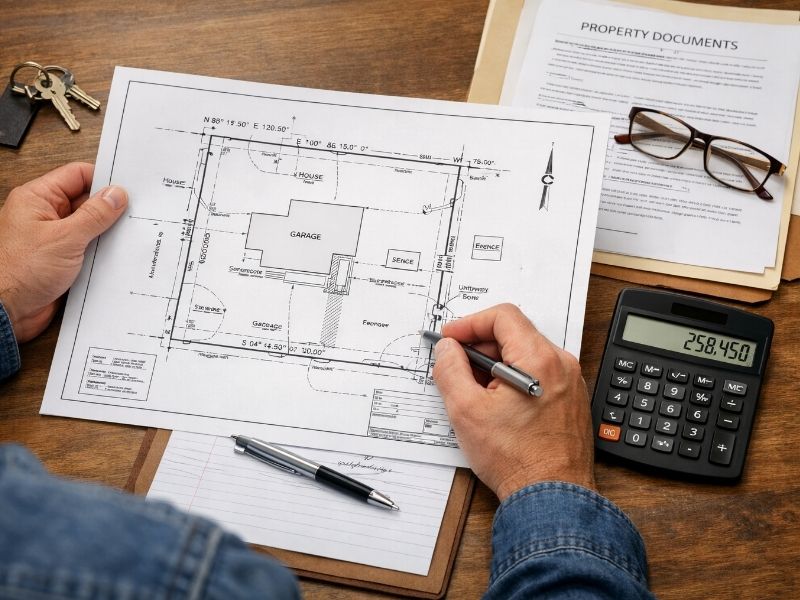
Most developers look at the seal on a survey document and keep moving. It’s there, so it must be fine. That thinking has caused serious problems for people who didn’t stop to understand what they were looking at.
When a licensed land surveyor places their seal on a document, they make a legal statement. They are saying: I did this work, I stand behind it, and if it’s wrong, I’m accountable. That’s not a small thing to skip over.
Here’s what the seal actually means, and what to check before you submit that document anywhere.
What a Licensed Land Surveyor’s Seal Legally Represents
The seal ties a survey document to one specific person. It shows their name, license number, and the state where their license was issued. Anyone can look that up in a public database and confirm the license is active.
If a sealed survey contains errors that cause financial harm, the licensed land surveyor who sealed it can face professional discipline and legal liability. Their license is at risk. So is their insurance.
A document without a proper seal is just a drawing. Courts won’t treat it as reliable evidence. Title companies won’t insure based on it. Permit offices will reject it. The seal is what gives the document legal standing.
What the Seal Does Not Cover
A seal does not guarantee perfect work. Errors happen. What it does confirm is that a licensed professional reviewed and approved the work to the standard set by their state licensing board.
It also doesn’t confirm the document reflects current conditions on the ground. A sealed survey from ten years ago is still a sealed document, but the site may have changed significantly. Seals don’t expire. Land conditions do change.
What Information Appears on a Licensed Land Surveyor’s Seal
Requirements vary by state, but most seals include:
- The surveyor’s full legal name
- Their license number
- The state where the license was issued
- Their professional title, such as “Licensed Land Surveyor” or “Professional Surveyor and Mapper”
- The survey firm’s name in some states
If any of that information is missing or unreadable on a document you received, don’t submit it anywhere yet. An incomplete seal gets rejected at permit offices, title companies, and lender review desks.
Where the Seal Gets Checked and Why It Matters
At a Real Estate Closing
Lenders and title companies require a properly sealed survey before funding or insuring a deal. The seal confirms the boundaries, easements, and improvements on the document were prepared by a qualified professional. A survey without a valid seal from a licensed land surveyor will delay closing until a compliant document is produced.
During Permit Submissions
Building departments require sealed survey documents as part of site plan submittals. The seal confirms the measurements, setbacks, and legal descriptions were prepared by a licensed professional. An unsealed drawing gets rejected. Usually with little explanation beyond “incomplete submittal.”
Getting that wrong costs time on a project where time is already tight.
In a Legal Dispute
If a boundary issue ends up in court, the sealed survey is the document that carries legal weight. A judge won’t rely on an unsealed drawing to determine where a property line falls. The licensed land surveyor who sealed the document may also be called to testify about the methods used and the findings.
How to Verify a Seal Before Submitting
Don’t assume a seal is valid just because it looks official. This check takes two minutes.
Most states maintain a free, public online database of licensed surveyors. Take the name and license number from the seal and search the database. Confirm the license is active. Confirm it was issued in the state where the survey work was done.
A lapsed license, a suspended license, or a license issued in a different state than where the work took place are all problems. A licensed land surveyor must hold an active license in the state where the survey was performed. A surveyor licensed in one state cannot legally seal work done in another.
If you’re working with a firm, the seal still belongs to a named individual within that firm. The firm name may appear on the document, but a specific licensed person must sign and seal it.
Digital Seals
Many developers now receive survey documents as digital files. A digital seal carries the same legal weight as a physical embossed seal, as long as it meets that state’s requirements for electronic professional documents.
Acceptance of digital seals varies. Some title companies and lenders still require a physical seal for certain transactions. Confirm with your lender or title company before assuming a digital file will be accepted for closing or permit submission.
What to Do When a Sealed Document Has Errors
The seal creates a clear line of accountability. If errors in a sealed survey cause measurable financial harm, the property owner has legal recourse against the licensed land surveyor who sealed it.
Most licensed surveyors carry Errors and Omissions (E&O) insurance. That insurance covers claims from professional mistakes in survey work. A valid seal means there is a licensed professional, and usually an insurer, standing behind the document.
If you find an error, contact the surveyor directly. Many errors can be corrected quickly and a revised document issued. If the surveyor disputes the finding or goes quiet, you can file a complaint with the state licensing board. Serious financial harm may warrant legal action.
Do not alter the document yourself. Changing anything on a sealed survey, even a small correction, invalidates the seal. It can also create legal liability for whoever made the change.
Frequently Asked Questions
Can a developer use a sealed survey from the previous property owner?
You can reference it, but your lender or title company may not accept it. Many require a survey certified directly to the current buyer. A licensed land surveyor can review the existing sealed document and re-certify it if site conditions haven’t changed, which is usually faster and cheaper than ordering a new survey.
What does it mean if a survey has a seal but no date?
A sealed survey without a date is incomplete. The date connects the document to the conditions that existed when the work was done. Without it, the document can’t reliably confirm what the site looked like at the time of the survey. Ask the firm to issue a corrected version with the date included.
Can a licensed land surveyor seal a document someone else prepared?
No. A surveyor can only seal work they personally performed or directly supervised. Sealing another professional’s work without proper oversight is a licensing violation and grounds for disciplinary action by the state board.
Are digital seals legally valid?
In most states, yes, provided they meet that state’s requirements for electronic professional documents. Acceptance varies by institution. Confirm with your lender or title company before submitting a digitally sealed file for a closing or permit application.
What should I do if a seal looks altered or unofficial?
Stop. Do not submit the document anywhere. Contact the firm named on the seal to verify its authenticity. If you suspect the seal was forged or improperly applied, report it to the state licensing board. Submitting a document with a fraudulent seal in a legal or financial transaction creates liability for everyone who submitted it.
For a free land surveying quote, call us at (727) 295-4195 or send us a message by going here.
Posted in land surveying, land surveyor |