
Can Your Neighbor Legally Move a Property Line Marker?
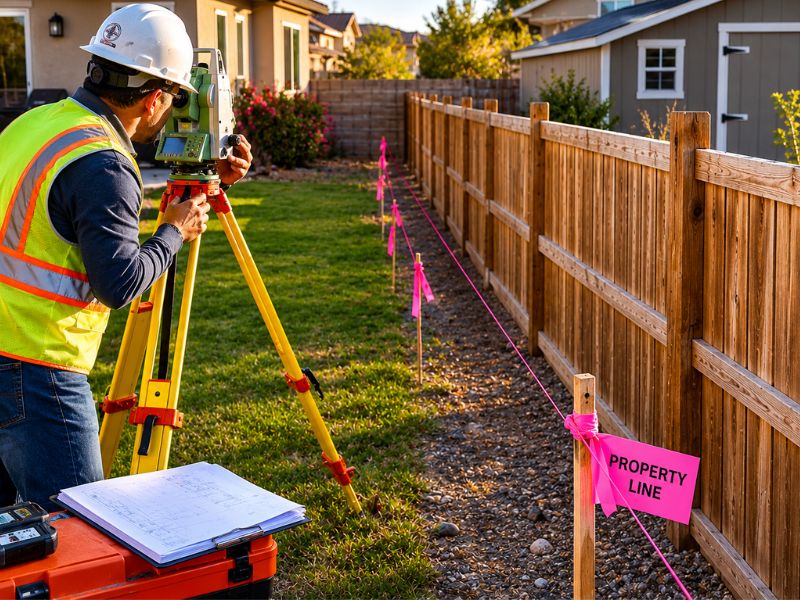
You walk your site one morning and something’s off. A property line marker that was sitting flush at the corner is gone. Or it’s been moved six feet closer to your building. Your neighbor swears it was always there.
It wasn’t.
Moving a property line marker without legal authorization is a crime in every U.S. state. That’s not a gray area. But knowing the law and knowing what to do next are two different things, and most developers waste weeks handling this the wrong way.
What Property Line Markers Are and Why They’re Protected
Property line markers are the physical monuments that define where one parcel ends and another begins. They come in several forms: iron rods or pipes driven into the ground, concrete monuments, mag nails set in pavement, and in some cases wooden stakes placed during active survey work.
The iron rods and concrete monuments are the ones that carry legal weight. They’re set by licensed surveyors, recorded in survey documents, and tied to a legal description. Removing or relocating one of them doesn’t just move a piece of metal. It tampers with a legal record.
Most states treat this as a criminal offense, typically a misdemeanor, though repeat offenses or cases involving clear intent to defraud can result in felony charges. Florida statute 177.131, for example, makes it unlawful for any person to willfully destroy, disturb, or remove any monument set by a licensed surveyor. The same concept exists in nearly every other state under similar statutes.
What Counts as “Moving” a Marker
This matters more than most people think.
Accidentally disturbing a monument during grading or excavation is treated differently than intentionally pulling one out and resetting it. Construction crews hit survey markers all the time. That’s not automatically criminal, but it does create a legal obligation to report it and have a licensed surveyor reset the monument.
Deliberately relocating a marker to change where a boundary appears to fall is a different matter entirely. That’s willful tampering, and it creates personal liability for the person who did it.
Burying a marker is also considered tampering in most jurisdictions. A monument doesn’t have to be physically moved to be rendered useless. If someone buries an iron rod under fresh fill or concrete, it’s gone for practical purposes and the effect on the boundary record is the same.
The Difference Between Wooden Stakes and Permanent Monuments
Not every marker on a property is a permanent monument. Surveyors often use wooden stakes, flagging, and paint during active field work. These are temporary. They mark a point for a specific purpose and aren’t recorded as legal monuments.
A neighbor pulling a wooden stake during active construction is still not a good idea, but it doesn’t carry the same legal consequence as removing a permanent iron rod or concrete monument. Know which type of marker you’re dealing with before deciding how to respond.
What to Do If a Property Line Marker Has Been Disturbed
Don’t confront the neighbor first. That’s almost always the instinct and it almost always makes the situation worse.
Start by documenting what you can see. Photograph the area where the marker was. Note any disturbed soil, fresh concrete, or other signs of recent activity around the corner point. If you have prior survey documents showing where the monument was set, pull them out.
Then call a licensed surveyor.
A licensed surveyor can determine whether the monument is missing, disturbed, or simply buried. They can research the original survey records, locate the mathematically correct position of the corner, and reset the monument with proper documentation. That reset creates a legal record of what was done and why.
When to Involve Law Enforcement
If the evidence clearly shows intentional tampering, filing a police report is appropriate. Most officers won’t be familiar with survey monument statutes, so come prepared with the relevant state law and your documentation.
A police report also creates a formal record of the incident. If this becomes a civil dispute later, that record matters.
Keep in mind that law enforcement involvement rarely resolves a boundary dispute on its own. The criminal statute addresses the act of tampering. The boundary itself still needs to be formally re-established by a licensed surveyor, and any unresolved ownership questions may require legal action.
How Developers Should Protect Their Markers on Active Sites
Construction sites are the most common place survey monuments go missing. Heavy equipment, grading crews, and subcontractors who don’t know where the corners are can destroy markers without realizing it.
Before any ground disturbance, walk the site with your surveyor and identify every permanent monument. Flag them visibly. Brief your project manager and general contractor on where they are and what they look like. Add monument protection to your site safety checklist.
Some developers arrange for a surveyor to check monument locations at key stages during construction, particularly after rough grading and before any final site work. That catches accidental disturbances early, before the project gets further along and resetting becomes more complicated.
If a monument is disturbed during your project, document it immediately and contact your surveyor. Don’t wait until the end of construction. The longer you wait, the harder and more expensive it is to re-establish the correct position.
What Happens to Your Project If a Marker Is Missing
A missing or disturbed property line marker creates real problems for active development projects.
Permit offices require survey documents that reference properly set monuments. If a monument is missing, the survey data tied to it becomes unverifiable until the monument is reset. That can delay permit approvals.
Title companies reviewing the transaction will flag missing monuments as an issue. They may require a new survey with properly set corners before insuring the deal.
If the missing marker creates uncertainty about where your building sits relative to the boundary, your lender may put funding on hold until a licensed surveyor re-establishes the corner and provides updated documentation.
None of those delays are small. Getting ahead of monument issues early, whether caused by a neighbor or your own crew, protects your project timeline.
For a free land surveying quote, call us at (727) 295-4195 or send us a message by going here.
Posted in land surveying, land surveyor |