
What a Residential Surveyor Checks Before a Home Addition
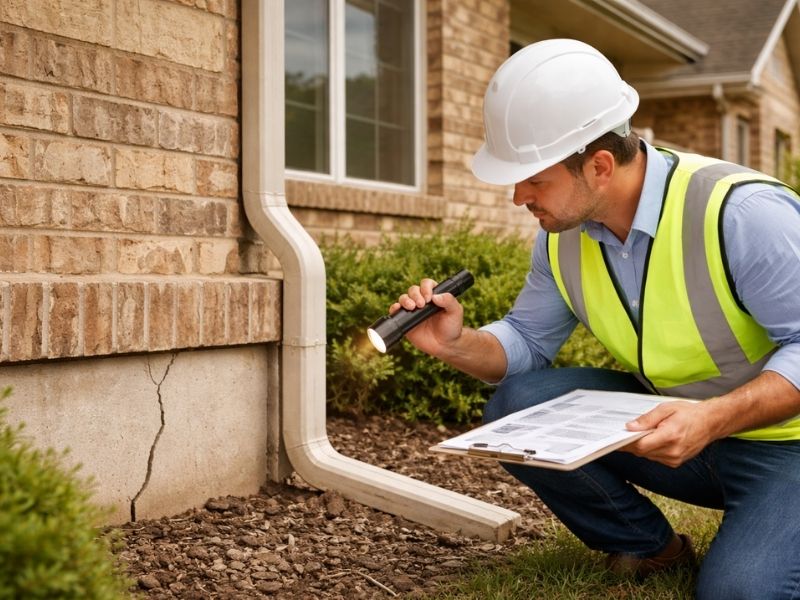
You want to add a second story. Or expand your kitchen. Or build a new bedroom. Before the construction crews arrive, you need a residential surveyor.
A residential surveyor is someone who measures and checks your property. This check is different from a regular property boundary survey. It focuses on one goal: Is it safe to build what you want?
Think of the surveyor as your protection. They find problems before they become expensive. In St. Petersburg, where homes are older and properties are different sizes, this early check is super helpful.
Why Home Additions Need Pre-Construction Surveys
You know your property. You’ve owned it for years. But property lines can be tricky. Old paperwork describes land using landmarks that don’t exist anymore. Boundary markers disappear.
When you add to your house, the city pays attention. Building departments want proof. They need to know your addition stays inside your property lines. They want to know utilities won’t get damaged. They want assurance you’re not building on your neighbor’s land.
A residential surveyor does this checking for you. Before anyone starts building, you’ll know the facts.
Without this survey, you risk:
- The city makes you tear down what you built
- Big fines from the city
- Problems when you sell your house
- Angry neighbors who might sue
A surveyor costs a few hundred dollars. Fixing these mistakes costs thousands.
The Boundary Line Verification
The surveyor’s first job is finding your exact property lines. They locate survey markers (stakes or metal pins) that already exist. If old markers are missing, they set new ones. This isn’t a guess. They use GPS machines and Florida property records to find exact boundaries.
In St. Petersburg, this matters because:
Old surveys from decades ago used outdated methods. Water damage and erosion along the bay have moved some property lines. Old deed paperwork sometimes has confusing descriptions.
The surveyor makes a detailed map showing your property lines. This map shows exactly where you can build your addition. If your lot is only 50 feet wide and you want a 20-foot addition, the map shows if you have enough room for the required setbacks.
Setback Clearances and Building Codes
Setbacks are buffer zones around your property. Think of them as “no build” areas between your structure and property lines. St. Petersburg requires these setbacks. The sizes change by neighborhood type.
For most homes in St. Petersburg:
- Stay 20 feet back from the front property line
- Stay 5 to 10 feet back from side property lines
- Stay 20 feet back from the rear property line
Waterfront homes have different rules.
Your residential surveyor measures these setback zones. They confirm your addition stays in the allowed area. Building departments won’t give permits if additions violate setbacks. The surveyor provides proof that you’re safe.
This matters for corner lots and small properties. A 25-foot-deep lot might seem big. But setbacks can eat up 40 feet. Suddenly your addition plans need to change. The surveyor shows you what space you actually have to build before you pay designers.
Utility Line Location and Identification
Underground utilities are hidden under your property. Water lines, sewer pipes, natural gas, electrical lines, and phone cables all run underneath residential properties. Hitting one during digging causes serious problems.
The surveyor uses special equipment to find these underground lines. They mark them on the survey map. This stops construction crews from hitting utilities and causing outages, gas leaks, or other damage.
For home additions, this is really important because:
- Digging for foundation holes or new plumbing requires knowing what’s below
- Adding new utilities means connecting to existing lines safely
- Finding utilities later costs money and delays everything
The survey tells your contractor exactly where utilities run and how deep. Your contractor uses this to dig safely.
Drainage and Grading Assessment
Water drainage is a big issue in St. Petersburg. The ground is flat. The soil is sandy. Rain happens often. Water needs somewhere to go.
When you add a structure, water flow changes. The residential surveyor checks the current slope and where water goes now. They find low spots that collect water. They document existing drainage systems like ditches, drain pipes, or storm drains near your property.
For home additions, this matters because:
- Your addition might need grading work to handle water
- New drainage might be needed
- Your addition could affect where water goes on neighbor property
- The city has stormwater management rules
An addition that blocks water flow can cause flooding. The surveyor finds these problems before construction begins.
Easements and Encroachments
An easement is a right that someone else has to use part of your property. Think of it as legal permission for others to access your land.
Who holds easements on your property? Usually:
- Utility companies (to access and fix water, gas, electric lines)
- Neighbors (sometimes to cross your land)
- The city (for infrastructure)
The surveyor reviews property records and finds all easements. They mark these areas on the survey map. You cannot build your addition in an easement area without permission from whoever holds it.
The surveyor also checks if you’re encroaching (building on) neighbor property. A fence, building, or tree sitting partly on neighbor land creates legal problems. The survey documents these issues before your addition starts.
Wetlands and Environmental Considerations
St. Petersburg has sensitive environmental areas. Wetlands, mangrove swamps, and protected plants are common. Environmental laws protect these areas. There are rules about what you can build near them.
A residential surveyor doesn’t do full environmental studies. But they identify wetlands on or near your property. They note plants that might trigger environmental review.
For home additions near wetlands, the surveyor tells you:
- Where wetland boundaries are
- How much distance you must keep from wetlands
- What permits you need before building
- Environmental rules that affect your addition
This prevents your addition from requiring expensive cleanup work or construction stops due to protected animals or plants.
Existing Structure Documentation
The surveyor documents your current house location and size. They check any existing structures on your property. Decks, patios, pools, sheds, and garages all get recorded. This creates a complete picture of what’s already on your lot.
They measure distances from your house to each property line. They note roof edges that stick out. They document everything that exists now.
For home additions, this matters because:
- The new structure must attach to your house safely
- Existing structures might need to be moved
- The entire expanded building must follow setback rules
- You need space for construction equipment and staging
Frequently Asked Questions
Do I need a residential surveyor if I’m just adding a bedroom inside my existing house?
Interior additions don’t expand your house footprint. You usually don’t need a full survey. But if you’re moving utilities like plumbing or HVAC, the surveyor’s utility map is helpful. Check with your building department first. Some places require surveys for all permitted work.
How much does a pre-addition survey cost?
A residential pre-addition survey typically costs $400 to $1,200. It depends on your lot size and how complex it is. Waterfront properties cost more. Rush jobs cost extra. The survey is usually a small fraction of your total addition cost, which runs $50,000 to $200,000 or more.
Can I reuse an old survey from five years ago?
Old surveys might show changes. Water areas can shift boundaries. Building departments usually want surveys less than one to three years old before permit application. If your old survey is recent and nothing has changed on your lot, it might work. Ask your surveyor first.
What happens if the survey shows my planned addition violates setbacks?
Your surveyor will tell you right away. You can redesign your addition to fit the rules. Or you can ask the city for a variance (special permission). Variances need good reasons and neighbor approval. Planning ahead prevents surprises.
Does the residential surveyor approve my addition design?
No. The surveyor just checks conditions and rules compliance. An architect or engineer designs your addition. The building department approves it. The surveyor gives them the facts they need.
For a free land surveying quote, call us at (727) 295-4195 or send us a message by going here.