
What Developers Look for in an ALTA Land Survey
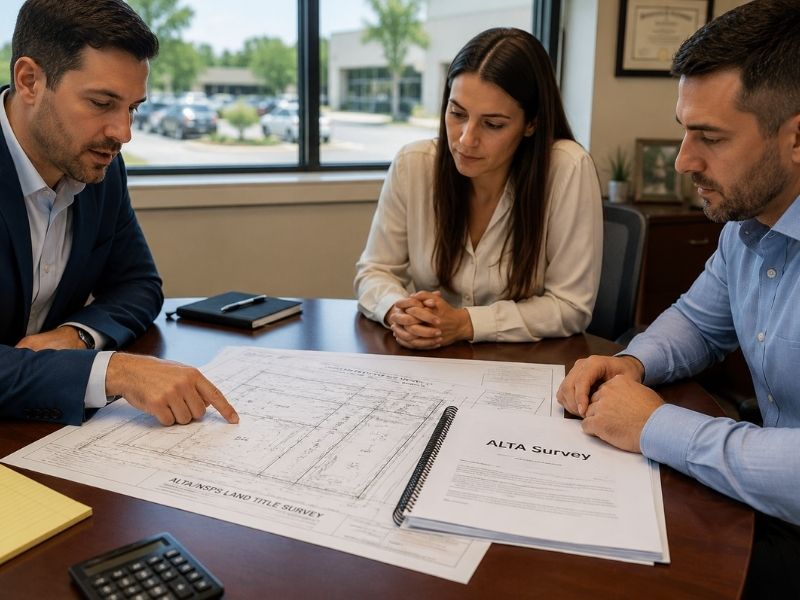
Developers do not order an ALTA land survey just to check a box.
They order it to find problems before money gets locked into a project.
An ALTA land survey helps developers review boundaries, easements, access points, encroachments, and site conditions before closing or construction starts. Missing one issue can delay permits, stop financing, or create legal disputes later.
Some properties look clean at first glance. Then the survey reveals access problems, utility conflicts, or structures crossing property lines.
This article explains what developers usually look for in an ALTA land survey and why each detail matters.
Why Developers Review ALTA Surveys Carefully
Commercial projects involve risk.
Developers need accurate property data before spending money on design, permitting, demolition, or construction. An ALTA land survey provides detailed information about the property and surrounding conditions.
Lenders and title companies often require it before closing.
Developers use the survey to confirm:
- Property boundaries
- Legal access
- Easements
- Encroachments
- Utility locations
- Building positions
- Parking areas
- Setback concerns
That information helps prevent expensive surprises later.
Property Boundaries Matter First
Boundary issues can stop a project fast.
Developers want clear lot lines before planning improvements or site layouts. Even small boundary mistakes affect parking, drainage, access roads, and building placement.
Common Boundary Problems Found on ALTA Surveys
Fences Crossing Property Lines
Old fences may sit outside the legal boundary.
Buildings Too Close to Lot Lines
Some structures violate setback requirements or extend onto nearby parcels.
Missing Property Markers
Older sites sometimes contain missing or damaged corner markers.
An ALTA land survey helps confirm where the legal property lines actually sit.
Easements Get Heavy Attention
Easements limit how parts of the property can be used.
Developers review them closely before finalizing plans.
Some easements allow utility companies access across the site. Others control drainage flow, shared driveways, or access roads.
Building inside those areas creates major problems.
Easements Developers Usually Check
- Utility easements
- Drainage easements
- Access easements
- Shared driveway agreements
- Stormwater corridors
An ALTA land survey helps identify these restrictions early.
Legal Access Is a Big Deal
A property without proper legal access creates financing problems.
Developers need to confirm that roads, entrances, and driveways connect legally to the site.
Some parcels appear accessible but depend on neighboring property agreements that may not be valid anymore.
That issue can delay projects quickly.
Access Problems Found on Surveys
Shared Entrances
Some commercial sites rely on neighboring driveways.
Blocked Access Areas
Fences, landscaping, or structures may interfere with access routes.
Unrecorded Driveway Use
Long-term driveway use does not always create legal rights.
Survey review helps developers avoid access disputes after closing.
Encroachments Raise Red Flags
Encroachments happen when structures cross property lines or easements.
Developers pay close attention to these issues because correction costs add up fast.
An ALTA land survey may reveal:
- Neighboring fences crossing onto the site
- Signs extending into setbacks
- Utility equipment inside build areas
- Parking lots crossing boundaries
- Retaining walls outside legal limits
Even small encroachments can create permit and title problems.
Utility Locations Affect Site Design
Utility conflicts change development plans all the time.
Water lines, sewer systems, electric service, and communication lines affect where buildings and parking areas can go.
Developers review utility locations before finalizing site layouts.
Relocating utility infrastructure gets expensive quickly.
Utility Issues Developers Watch For
- Underground utility crossings
- Power poles inside planned build areas
- Sewer easements
- Fire hydrant clearance concerns
- Utility boxes blocking entrances
ALTA survey data helps teams avoid redesign work later.
Parking Layouts Need Accurate Measurements
Commercial parking areas leave little room for mistakes.
Developers use ALTA land surveys to verify dimensions before engineers finish site plans.
Even small measurement errors affect:
- Parking counts
- Drive aisle spacing
- ADA access routes
- Fire lane clearance
- Loading areas
Accurate survey information supports smoother permit review.
Existing Structures Need Verification
Developers review all visible improvements on the property.
That includes:
- Buildings
- Sidewalks
- Curbs
- Retaining walls
- Loading docks
- Fences
- Signs
An ALTA land survey shows where these structures sit in relation to boundaries and easements.
That information helps determine what can stay and what may need removal.
Drainage Conditions Matter
Poor drainage creates long-term site problems.
Developers often review drainage flow before moving into design work. Some properties contain swales, retention areas, or low spots that affect development plans.
Ignoring those conditions creates flooding risk later.
Drainage Areas Developers Watch
- Drainage easements
- Retention ponds
- Swales
- Stormwater paths
- Low elevation sections
Survey data helps engineers plan around these conditions early.
Developers Compare Surveys With Title Records
The survey and title report should match.
Developers review both documents together to confirm:
- Legal descriptions
- Easements
- Access rights
- Ownership details
- Recorded restrictions
Conflicts between the survey and title documents create delays during closing.
That review process helps reduce legal risk.
Why Early ALTA Survey Review Saves Money
Fixing property issues after closing costs far more.
Developers use ALTA land surveys to identify problems before permits, financing, and construction begin. The survey provides a clearer view of the site and its legal conditions.
That helps developers make better decisions early in the project.
Skipping careful survey review creates risk that many projects cannot afford.
Frequently Asked Questions
What does an ALTA land survey show?
An ALTA land survey shows property boundaries, easements, improvements, access points, utilities, and possible encroachments.
Why do lenders require ALTA land surveys?
Lenders use ALTA surveys to review legal access, title concerns, and site conditions before financing commercial property.
What is the biggest issue developers find on ALTA surveys?
Boundary conflicts, easement restrictions, and encroachments are common concerns.
Can an ALTA survey affect site design?
Yes. Survey findings often change parking layouts, building placement, drainage plans, and access points.
Do developers review utility locations on ALTA surveys?
Yes. Utility lines and easements affect where construction can safely take place.
For a free land surveying quote, call us at (727) 295-4195 or send us a message by going here.
Posted in land surveying, land surveyor |