
Why Do I Need an ALTA Survey for a Ground Lease?
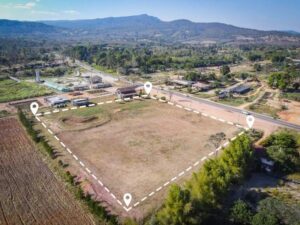 In a ground lease, you build on land you’ll never own. That makes the lines around your leased area, your route to the road, and the rights crossing the parent property just as important as they’d be in a purchase, and sometimes more. If you’re asking why do I need an ALTA survey for a ground lease, the short answer is that it pins down exactly what you’re leasing and what you can rely on for decades. Leasehold lenders and title companies usually want it for the same reason.
This guide is written for ground tenants and developers, with leasehold lenders, landlords, and attorneys in mind. It covers how the survey defines the lease area, locates improvements, documents access, and supports closing. Requirements vary by lender, title company, and lease terms, so confirm yours early.
Defining the Ground Lease Area Accurately
An ALTA survey defines the ground lease area by locating it precisely within the larger parent property. Many ground leases cover only part of a tract, such as an outparcel or pad site. The survey ties the lease area to the parent tract’s boundary so its legal description is clear and measurable.
Lease exhibits are often sketches, and sketches leave room for argument. A surveyed legal description, with bearings and distances, gives the landlord, tenant, and lender the same defined area. That description can then be used in the lease, a recorded memorandum of lease, and the title policy.
The survey should also show the parent tract boundary, at least where it affects the lease area. If the lease area runs to a parent line, any error in that line carries into your premises. Confirm the scope covers enough of the parent tract to support the lease description.
Locating Tenant Improvements Within the Leased Premises
Locating tenant improvements shows whether buildings, parking, signs, and utilities fit inside the leased area. On existing leases, improvements sometimes drift past the lease line onto the landlord’s remaining land. On new leases, the survey becomes the base for designing within the premises.
Pay attention to features near the lease lines. Drive-thru lanes, dumpster enclosures, monument signs, and parking can end up partly outside the premises. If they do, the lease may need an amended description or a separate easement.
Leasehold lenders care about this too. Their collateral is tied to the tenant’s interest in the premises and improvements, so anything outside the lease area may fall outside their security. The survey makes those gaps visible before the loan closes.
Documenting Access Between the Lease Area and Public Roads
Access is one of the most important things a ground lease survey documents. Many lease areas, especially outparcels, don’t touch a public road directly. Customers reach them through drives on the landlord’s remaining property or a shared center.
The survey shows the actual route and whether it’s backed by a recorded easement or by rights granted in the lease. If access depends on the lease alone, its terms and duration matter. Lenders and title companies often look for access rights that last as long as the lease term.
Check each connection to the public road. The survey should show where drives meet the right-of-way and whether any gap sits between the access area and the road. Utility routes from the lease area to public mains deserve the same review.
Identifying Property Rights That Affect Site Use
Property rights recorded against the parent tract can limit what you do inside the lease area. Easements, covenants, reciprocal agreements, and plats may all affect the premises even though you’re only leasing part of the land. The survey plots these items so you can see which ones touch your area.
Some rights come up often on ground-leased sites. Each can restrict building, signage, or operations. Look for these:
- Utility and drainage easements crossing the lease area
- Reciprocal easement agreements governing shared drives and parking
- Restrictive covenants limiting use, hours, or competing businesses
- Building lines or height limits from plats or covenants
- Easements serving other parcels that run through your premises
Use restrictions deserve special attention. A recorded covenant may bar certain uses even if your lease allows them. Your attorney can explain how recorded rights and lease terms fit together.
Coordinating ALTA Survey Details Before Lease Closing
Coordinating survey details before lease closing keeps the lease, the title policy, and the loan aligned. The legal description in the lease, the memorandum of lease, and the title commitment should all match the survey. Differences should be fixed before anything is signed or recorded.
Leasehold title insurance is often part of these deals, and the title company may need the survey to support coverage and certain endorsements. Lenders may require specific Table A items and certification language. Gather those requirements before the surveyor starts.
Plan for time. The surveyor may need to research the parent tract, the lease area, and access routes, which can take longer than a simple site. Order the survey as soon as the lease terms and lease area are roughly settled.
Frequently Asked Questions
Why do I need an ALTA survey for a ground lease?
It defines the exact leased area, shows improvements and access, and ties recorded rights to the ground. Leasehold lenders and title companies often require it. It also gives the landlord and tenant a shared description for the lease. That clarity reduces disputes over a long lease term.
Does the survey cover the whole parent property?
Not always. The scope depends on the lease, the lender, and the title company. Many surveys show the lease area in detail and enough of the parent tract to support it. Confirm the extent of coverage before work begins.
Who pays for the ground lease survey?
The lease or letter of intent usually sets who pays. Tenants often order the survey when they need financing. Landlords sometimes provide one for marketing or negotiations. Settle this point early.
What is a memorandum of lease?
A memorandum of lease is a short recorded document giving public notice of the lease. It usually includes the parties, the term, and a description of the leased premises. Using a surveyed description helps avoid confusion later. Your attorney typically prepares and records it.
What if tenant improvements extend outside the lease area?
The survey will show where and by how much. Options include amending the lease description, granting an easement, or relocating the improvement. Leasehold lenders may require a fix before closing. Talk with your attorney and landlord early.
For a free land surveying quote, call us at (727) 295-4195 or send us a message by going here.
Posted in ALTA Surveying | Tagged ALTA Survey