
When Do Homeowners Need a New Property Line Survey?
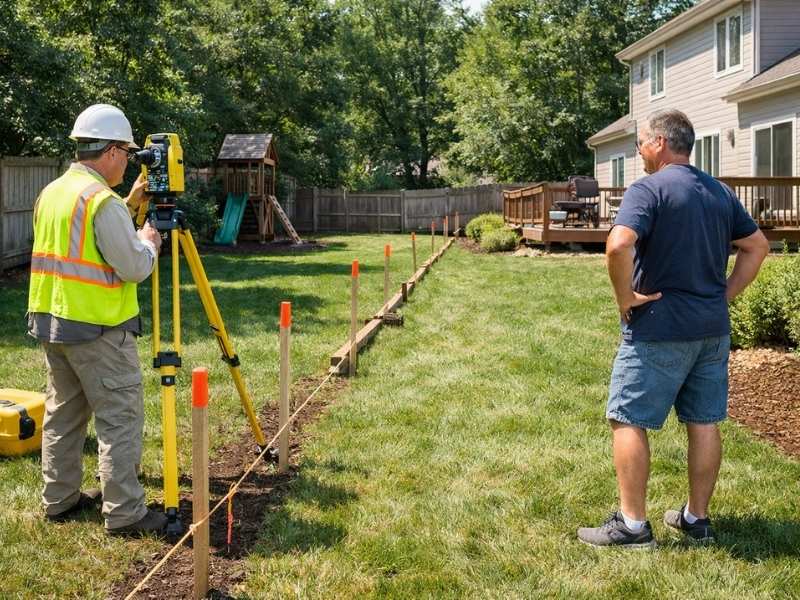
A property line survey isn’t something most homeowners think about until they need one. Then suddenly, it becomes urgent. Maybe you’re building a fence. Maybe a neighbor is encroaching. Maybe your title company won’t close on your refinance without one.
The reality: knowing when to get a property line survey saves you money, prevents legal battles, and protects your investment. In St. Petersburg, Florida, where property lines can be tricky near water, older neighborhoods, and dense development, timing matters.
This article covers the exact moments when homeowners should call a surveyor, what triggers the need, and why waiting can cost thousands.
When You Definitely Need a Property Line Survey
Before You Build a Fence or Deck
This is the most common trigger. You want to install a fence, deck, or shed. Your contractor asks, “Do you have a survey?” If you don’t, get one. Building even six inches onto a neighbor’s land can result in removal orders, lawsuits, and fines.
Local St. Petersburg codes require surveys for fence and deck projects. The survey protects you and keeps peace with neighbors.
When a Neighbor Is Encroaching
Your neighbor’s garage extension sits partially on your lot. Or their tree hangs over your property. Or their driveway cuts across what you thought was yours.
A survey proves what’s actually yours. It’s the only way to settle boundary disputes without guessing.
Before Selling Your Home
Buyers and their lenders often request surveys. Title companies may require them. Without a survey, you might delay closing, lose a buyer, or negotiate a price drop. Some lenders won’t finance a property without one.
Get it early. It speeds up the sales process.
During a Refinance or New Mortgage
Banks lending money want proof of what they’re lending against. Some refinances require an updated survey, especially if the property is older or the title has gaps. A property line survey shows the lender exactly what collateral exists.
Check with your lender first. Sometimes they’ll skip it. Better to ask early.
If Property Markers Are Missing or Unclear
Property markers (also called survey pins or monuments) are physical markers that show boundary lines. Concrete, iron pipes, rocks. Over time, they disappear. Weather, construction, lawn care, and vandalism destroy them.
If you can’t find them or they’re unclear, hire a surveyor to locate or reset them.
When You’re Planning a Major Renovation or Addition
Adding a second story? Building a pool? Expanding your garage? Anything that increases the footprint of structures on your lot should start with a survey. It ensures you stay within your property lines and meet setback requirements (minimum distances from property lines).
St. Petersburg has specific setback rules. A survey confirms you’re compliant.
For Legal or Insurance Disputes
Title insurance claims, easement disputes, homeowner association conflicts, or boundary disagreements all benefit from an official survey. Courts accept surveys as evidence. Insurance companies use them to settle claims.
If there’s a legal question about your property boundaries, a survey is essential.
Before Subdividing or Developing Property
If you own multiple lots or plan to split your property, a subdividing surveyor creates new boundary lines and documents them officially. This is complex work tied to county records and platting requirements. It’s not optional.
Signs You Might Need a Survey But Aren’t Sure
Your deed mentions old landmarks that no longer exist. Deeds sometimes reference trees, streams, or structures that are gone. A survey clarifies what the description actually means.
Your property is in an older neighborhood or near water. Older surveys may be inaccurate or based on outdated methods. Waterfront property can shift over time. Updated surveys catch these changes.
You inherited property without documentation. Family land sometimes comes without surveys. If you ever want to sell, build, or refinance, get one.
Neighbors or title companies are questioning your boundaries. If anyone is asking, the question is legitimate. Settle it with a survey.
How Much Does a Property Line Survey Cost?
A basic residential boundary survey typically costs $300 to $800. More complex properties (larger lots, waterfront, difficult terrain) run $800 to $2,000 or more.
Costs depend on:
- Lot size and complexity
- Whether markers need replacement
- Existing survey records availability
- Property access difficulty
- Rush requests
Paying for a survey now is cheaper than legal fees later.
What to Expect During the Survey Process
You hire a licensed surveyor and provide your deed and property information.
The surveyor reviews your deed and property records to understand what was originally surveyed and documented.
They visit your property to locate existing markers and take measurements.
They measure and document boundaries using GPS or traditional methods, depending on the terrain and needs.
They produce a survey map and written report that shows your property boundaries officially.
You receive the final document within one to two weeks (typically).
The process usually takes a few hours on site. You don’t need to be there, but the surveyor may ask property access questions.
Why Timing Matters
Getting a survey before problems arise saves time and money. Once a neighbor builds on your land, removing it is expensive and contentious. Once you close on a property without a survey, fixing title issues becomes harder.
St. Petersburg’s active real estate and development market means boundaries get questioned often. Developers, homeowners, and contractors all benefit from clear surveys early.
Frequently Asked Questions
Can I use an old survey instead of getting a new one?
Old surveys become unreliable over time, especially if property has changed. Lenders typically require recent surveys (within five to ten years for refinances). For new construction or disputes, always get a fresh survey. Property markers move, boundaries get questioned, and older methods weren’t as accurate.
What’s the difference between a boundary survey and an ALTA survey?
A boundary survey shows property lines only. An ALTA (American Land Title Association) survey includes easements, utility locations, and other details relevant to commercial or complex transactions. Most homeowners need a basic boundary survey. Commercial buyers often need ALTA.
How long does a survey take?
Field work usually takes a few hours to a full day depending on property size and complexity. The final written report takes one to two weeks. Expect the entire process to take two to three weeks from start to finish.
Do I need to be home during the survey?
No. Surveyors access properties independently most of the time. However, let your surveyor know about access issues like locked gates or aggressive dogs. Quick communication prevents delays.
Will a survey damage my landscaping?
Surveyors try to minimize disruption. They may mark temporary points with paint or flags, but these wash off. In rare cases, they might need small paint marks on structures. Ask your surveyor about their methods before they start work.
For a free land surveying quote, call us at (727) 295-4195 or send us a message by going here.